Week in Product #466 🚀
Google launches a bunch of AI features, GPT 5.2, Figma's AI editing, Stripe's agentic commerce, taking time to "hibernate", building workflows with Claude Code & more

Hi friends 👋
Happy weekend, and welcome to a new Week in Product!
🎰 The week in figures
$200M: Harness, an AI-powered software delivery platform raised $200M at a $5.5B valuation. It aims for over $250M in ARR, growing 50% YoY with plans to go public
$140M: Fal, the AI infra provider serving Adobe and Shopify, raised $140M Series D at $4.5B valuation. It has exceeded $200M in ARR
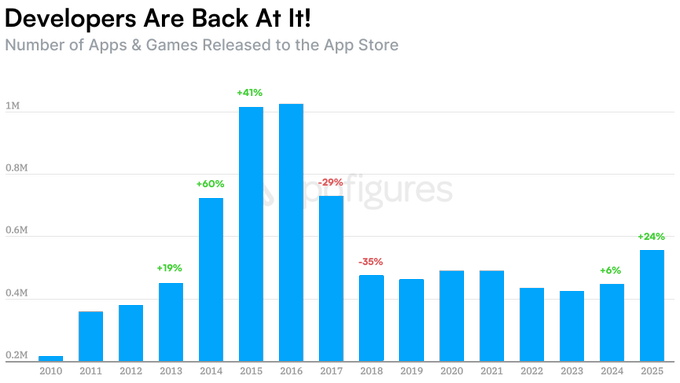
24%: Mobile app releases have increased for the first time in 8 years, up 24% on the year, with vibe coding potentially playing a role in driving growth
📰 What’s going on
OpenAI released GPT‑5.2, designed for complex professional work. With a 400k-token window (!!), it advances reasoning across long documents, improves understanding of visual data, and performs at or above expert level on benchmark tasks. Here are some wild demos:
Asking GPT-5.2 Thinking (on high reasoning effort) to build a 3D graphics engine and getting a single-file program with interactive camera controls and 4K export in one shot
Helping scientists think through problems. An immunologist asking it for the most innovative, first-principles questions needed to understand the immune system, using the model as a collaborator to surface deep research directions he might not have phrased the same way himself
It built a 5,000-cell financial model that valued a lemonade stand at…$2.7B. Linas Beliūnas asked GPT-5.2 to build his entire financial model: 30 reasoning tokens, 5,000+ cells, 18 interconnected sheets, modularized projections, dynamic scenarios, sensitivity tables, and pretty charts. But as he puts it, “none of the numbers added up”
Figma rolled out AI-powered object removal, isolation, and outpainting tools, plus a revamped image toolbar, so designers can erase or move objects and expand images for new formats without bouncing out to Photoshop or Canva
Instagram rolled out a “Your Algorithm” tab, showing your top Reels interests and letting you dial topics up or down, giving users rare direct control over what the recommendation system surfaces
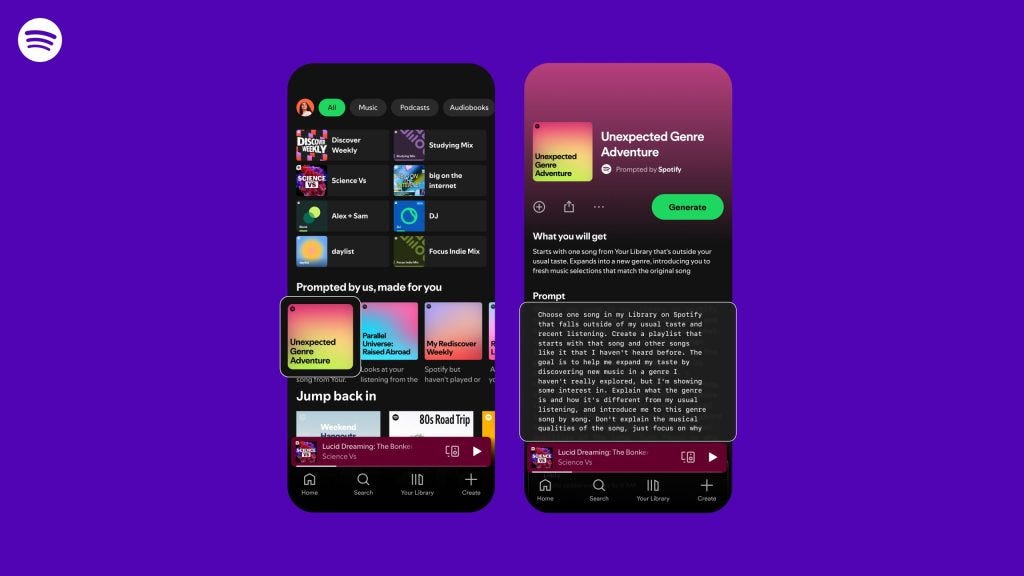
Spotify is testing “Prompted Playlists,” an AI playlist feature that lets Premium users (for now in New Zealand) write detailed prompts, like “top artists from the last 5 years, deep cuts only,” and get mixes that lean on their entire listening history
Google launched fully managed MCP servers for Maps, BigQuery, Compute Engine, and Kubernetes Engine, so AI agents can plug into its APIs via a standard Model Context Protocol endpoint instead of custom connectors
Google launched Disco, a Gemini tool to build web apps from tabs. With Disco, you can create “GenTabs,” interactive web apps that can help you complete tasks related to what you’re browsing and allow you to build your own apps via written prompts
Google reveals its first AI-powered AR smart glasses in collaboration with Xreal. AR, virtual desktop, and Android Apps. Set to launch in 2026
Gemini Deep Research now conducts better autonomous web research: it searches, finds gaps, searches again, then delivers a comprehensive report with citations; paid only rn
Google shipped a new feature called Prototypes into its experimental product Stitch. Stitch is a vibe coding design app that lets product teams build interfaces conversationally. You can now select multiple screens and “stitch” them together into a fully functional, clickable user flow
Google also unveiled a new AI Agent feature called Artifacts, which is designed to help product teams manage and review the work of an AI agent. A helpful feature for devs, but also non-technical users
Cursor blurs the line between development and design with the release of a visual editor for its Cursor Browser. It brings together code editing and visual editing in the same window, allowing users to drag elements, inspect components, and describe changes conversationally
Amazon’s Ring is rolling out “Familiar Faces,” an AI-powered facial recognition feature for its video doorbells across the United States. The tool allows users to build a catalog of up to 50 faces for personalized alerts
Amazon revamped its Echo screens into shopping hubs, with new Alexa+ features to track deliveries and give personalized recs
Amazon expanded its same-day grocery delivery to over 2,300 cities in the U.S., achieving 30x growth in perishable grocery sales since January, rivalling Instacart
Stripe launched its new Agentic Commerce Suite to help merchants make their products discoverable to AI agents, simplify agent-driven checkouts, and accept agentic payments through a single integration
TikTok introduces Shared Collections for collaborative video organization, and teases Shared Feeds with AI-curated content and greeting cards
Rivian is building its own AI assistant. It has also unveiled its first custom processor built specifically for autonomous driving, expanding control over both software and hardware as competitors depend on third‑party chips
📚 Good reads
How a Cursor product engineer vibe-codes internal tools. Cursor engineer Eric Zakariasson explains how he identifies opportunities for vibe coding internal tools at the company. An interesting insight into identifying and building internal tools for product teams
Permission to hibernate: honoring your winter rhythms. December drains energy, and that’s normal. Chronobiology shows seasonal shifts in hormones, sleep, and motivation. Rather than forcing year‑round intensity, Anne-Laure Le Cunff suggests we lean into “wintering”: small adjustments, guilt‑free rest, and deeper connections. Rest isn’t anti‑productivity; neuroscience says it’s when your brain consolidates, repairs, and sets you up for sustainable output. It feels right, and it is right
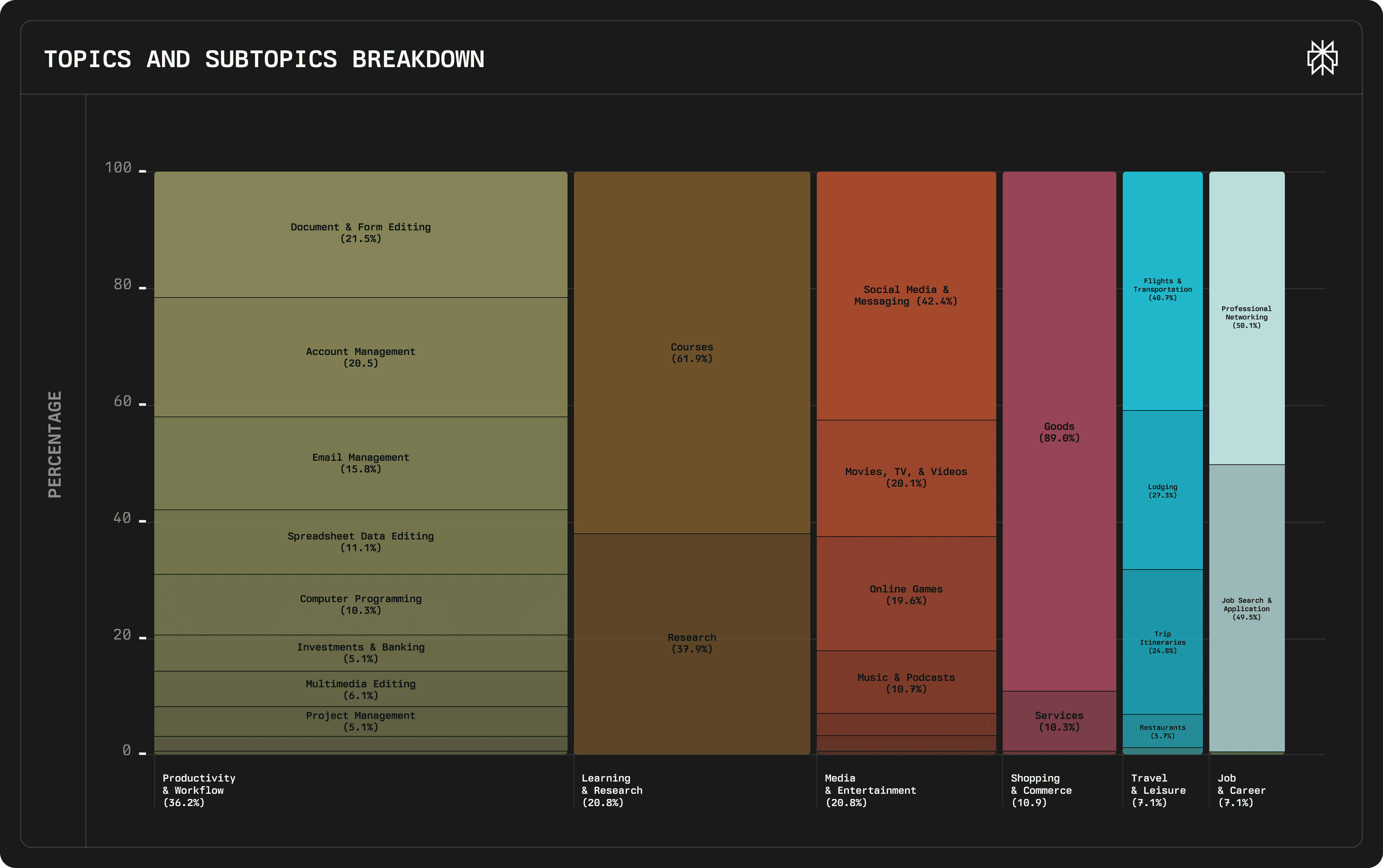
How people use AI agents. Perplexity and Harvard analyzed hundreds of millions of Comet interactions and found agents are mostly used as thinking partners (vs task butlers), with 57% focused on cognitive work. For PMs, agents increasingly augment analysis, synthesis, and workflow execution across contexts, becoming indispensable in daily decision-making
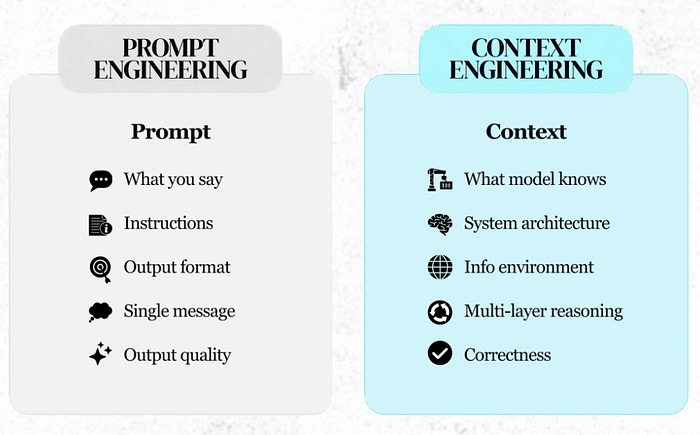
Why your AI features don’t move the needle. Aakash Gupta explains that while most LLM features over-index on prompts and models, Context is the key to success. He suggests six layers (intent, user, domain, rules, environment, exposition) and a structured pipeline to capture, enrich, and orchestrate it
How to build AI workflows with Claude Code. Teresa Torres shows how she turned a messy writing process into a structured, iterative workflow with Claude Code. She maps the end‑to‑end steps of writing, and suggests picking one to automate or augment, choosing code vs. LLMs, prototyping with detailed instructions, and iterating
13 lessons to move from quiet executor to Product leader. David Pereira argues many PMs do “bullshit management” that burns energy but creates no value. He lays out 13 inspiring lessons to help you stop feature factory work, own market insight and influence, and lead by driving change
That’s a wrap for this week!
Have the best weekend