Week in Product #477 🚀
Automating work with Claude Code, Crafting MLPs has never been easier, Building in public, Handling non-human users, Perplexity multi-model mode, New ChatGPT tier & more

Hi friends 👋
Welcome to a new Week in Product!
🎰 The week in figures
$159B: Stripe reached a $159B valuation in a tender offer for employees and shareholders. They also just reported $1.9T in volume (in 2025) and strong profitability
$110B: OpenAI announces $110B round. Amazon will put up to $50B, alongside $30B each from Nvidia and SoftBank, at a $730B valuation. That works out to around 15% of the company, split three ways. OpenAI has agreed to use AWS cloud infrastructure and start employing some of Amazon’s high-end Trainium chips
$100B: Revolut is considering a share sale in H2 2026, at a $100B valuation
$68.1B: NVIDIA reported record Q4 revenue of $68.1B, up 73% YoY, driven by $62.3B in data center sales, and guided for $78B next Q, while unveiling its next-gen Rubin chip platform
$8B: Plaid completed a tender offer at an $8B valuation, a 31% increase from $6.1B in April 2025, to provide employee liquidity
$155M: Allica Bank raised $155M in Series D to enhance its digital business banking beyond the UK, at a $1.2B valuation
$100M: Basis raised $100M in Series B at a $1.15B valuation to expand its AI-powered accounting platform
2M: Suno, the AI-powered music generator, hits 2M paid subscribers. They are pulling in $300M in ARR, and they were valued $2.45B in late 2025 after raising $250M
4,000: Jack Dorsey halved Block's staff via 4,000+ AI-led layoffs, predicting most companies will follow within a year
50%: Anthropic data revealed software engineering accounts for nearly 50% of all AI agent activity, while healthcare, legal, and finance each sit under 5%
📰 What’s going on
Apple is prepping to launch at least 5 new products at March 4 event, including refreshed devices and potential AI-powered updates
Perplexity launched Perplexity Computer (try it here): instead of one AI model doing everything okay, 19 specialized models work together, each handling what it does best
OpenAI is preparing a new ChatGPT Pro Lite tier at $100/month, splitting the gap between Plus ($20) and Pro ($200); the plan was discovered in ChatGPT’s code and may be tied to upcoming always-on agent features
OpenAI is working on a smart speaker with camera and facial auth that will cost $200-$300, launching early 2027. Over 200 employees on it, but tech and privacy hurdles are causing delays
OpenAI Codex and Figma launch code-to-design integration: New MCP server enables roundtrip workflows between code and canvas, with Codex usage up 400% since January
Anthropic rejected the Pentagon's "final offer" on AI safeguards. OpenAI offered their models
Anthropic launched role-specific plugins for Cowork that pre-load Claude with your domain’s terminology, workflows, and output formats. Instead of writing “I’m a financial analyst, here’s what a DCF model is...” you install the finance plugin and skip straight to the work. There are 11 new plugins across HR, design, engineering, ops, and finance
Anthropic has revealed that 3 Chinese AI labs (DeepSeek, Moonshot, and MiniMax) ran industrial-scale campaigns to illicitly extract Claude's capabilities to train their own models. The labs generated over 16M exchanges with Claude through approximately 24K fraudulent accounts, violating Anthropic's terms of service and regional access restrictions
Google shipped a big Opal update that turns it from a vibe coding mini‑app builder into an agentic workflow platform with memory and dynamic routing. You can now describe tasks in text and let an Opal agent plan and execute multi‑step workflows. It uses Gemini 3 Flash, automatically picks tools (e.g., Sheets, web search) and decides next steps as it goes. Instead of scripting every branch, you describe goals and criteria, and the agent picks tools and paths, which is ideal for messy product tasks like “research this market and suggest next moves”
Google launched Nano Banana 2, combining its best image quality with its fastest speeds across the Gemini app, Search, and Ads
Notion launched Custom Agents, autonomous teammates that answer repeat Slack questions, triage incoming tickets, and compile status reports on a schedule, no prompting required. Free until May 3, then credit-based pricing on Business/Enterprise plans
Oura launches proprietary AI model for women's health. New chatbot draws on clinical research and biometric data to deliver personalized guidance spanning menstrual cycles through menopause
Spotify rolls out AI-Prompted Playlists internationally. Premium users in the U.K., Ireland, Australia, and Sweden can now generate custom playlists from text prompts
Samsung is integrating Perplexity into its Galaxy AI ecosystem, allowing Galaxy S26 users to summon the AI search engine by saying "hey, Plex." The move is part of Samsung's broader push toward a "multi-agent ecosystem" that lets users choose which AI assistants power their phone
📚 Good reads
A PM’s journey building in public. Jaryd Hermann (the author of How The Grow), just started documenting his solo journey building in public, mostly vibe-coding, AI-assisted, and using tools available to anyone. He already got potential customers on day 1! Fun and inspiring read for any PMs willing to go ‘builder’ mode
How Cursor and Claude Code are changing research. DoorDash and Deliveroo teams are using tools like Cursor and Claude Code to collapse core research bottlenecks in data access, analysis, and synthesis. By wiring these tools into Snowflake, Qualtrics and multi-agent “pattern pipelines”, they’re auto-extracting themes, behaviors, and churn signals across huge volumes of raw customer conversations, with safeguards like verified citations, logged reasoning, and LLM-as-judge to keep outputs trustworthy
The MLP era is here. In a world where AI is commoditizing basic features, Elena Verna argues that shipping yet another OKish MVP isn’t OK anymore. Products now can and need to be lovable. She frames this as moving up a “hierarchy of SaaS needs” from merely functional and usable to emotionally resonant. Tiny delightful details and brand personality are your last defensible moat. PMs, use AI to accelerate craft. We can now raise the release bar from “does it work?” to “would users genuinely love this?”
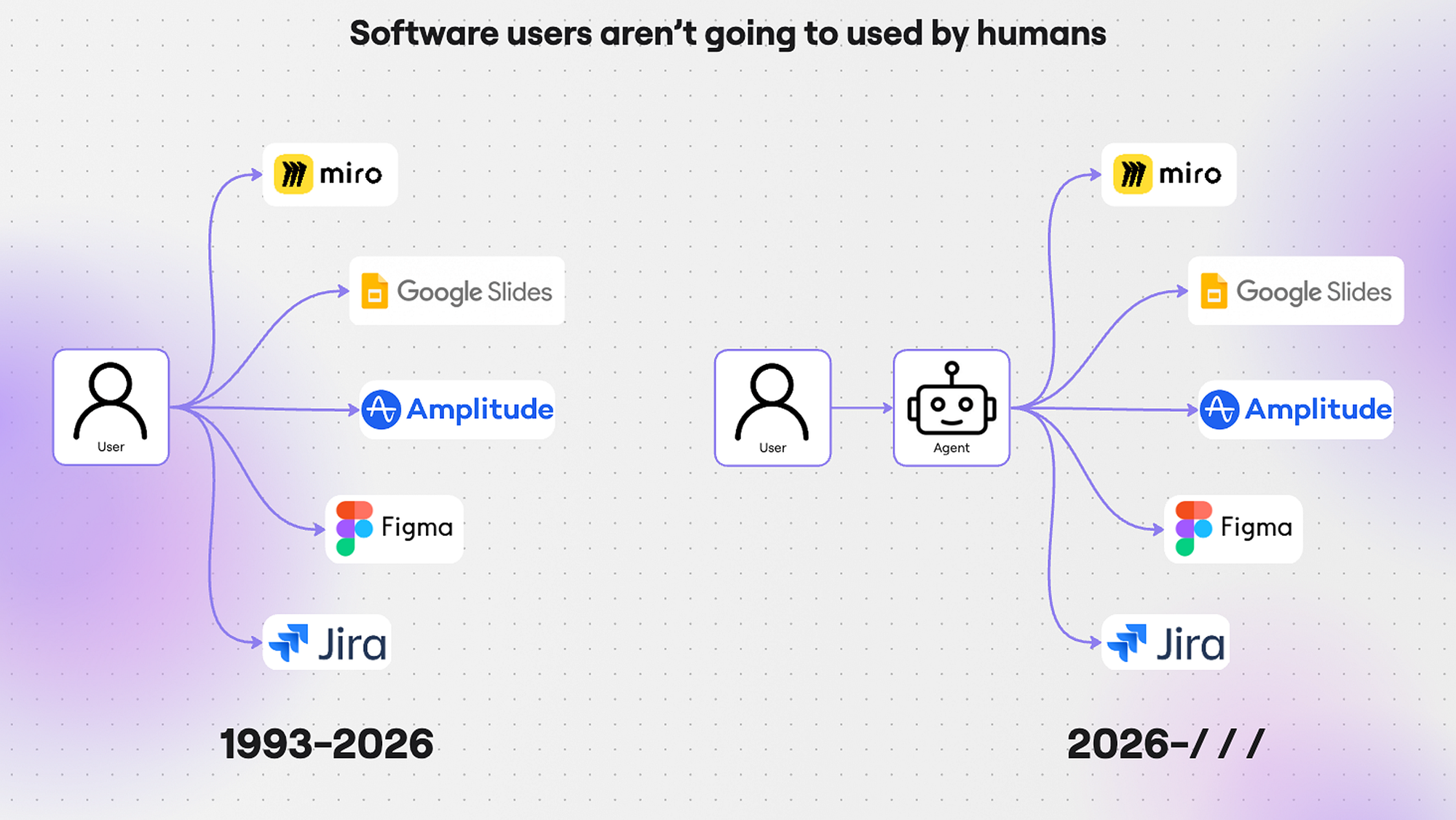
What happens when your users aren’t human anymore? As AI agents become the ones actually “using” SaaS, human-centric metrics like DAU/MAU or seat-based pricing start to blur. New metrics like Monthly Active Agents (MAA) and agent cohort retention are new signals of PMF and defensibility. For PMs, don’t forget to prioritize “Agent Experience” (rich APIs, MCP servers, and scriptable formats), so your product becomes core infrastructure for agents, looking beyond just another UI for humans
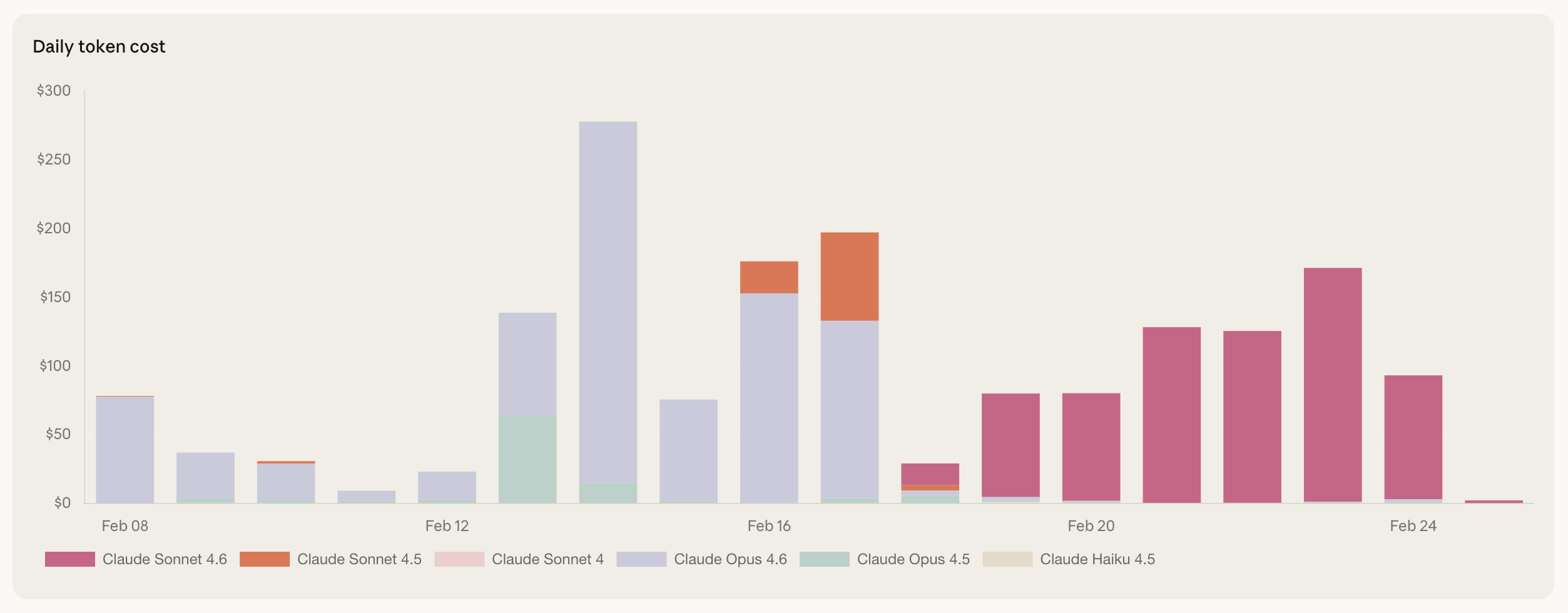
A practical workflow to build software with OpenClaw. Luca Rossi describes how he built Laputa (he’s certainly not Spanish), an offline‑first macOS note‑taking app, by letting AI Claude Code + OpenClaw write almost all the code, tests, and docs while he stays in a PM/architect role. He leans on async workflows (e.g. Telegram voice notes) and strict quality gates, so he barely needs to read code, but still keeps tech debt under control. The piece is a candid look at what it feels like to “manage an AI dev team” today, including costs, trade‑offs, and why PMs should start trying such workflows
🎧 Good listen/watch
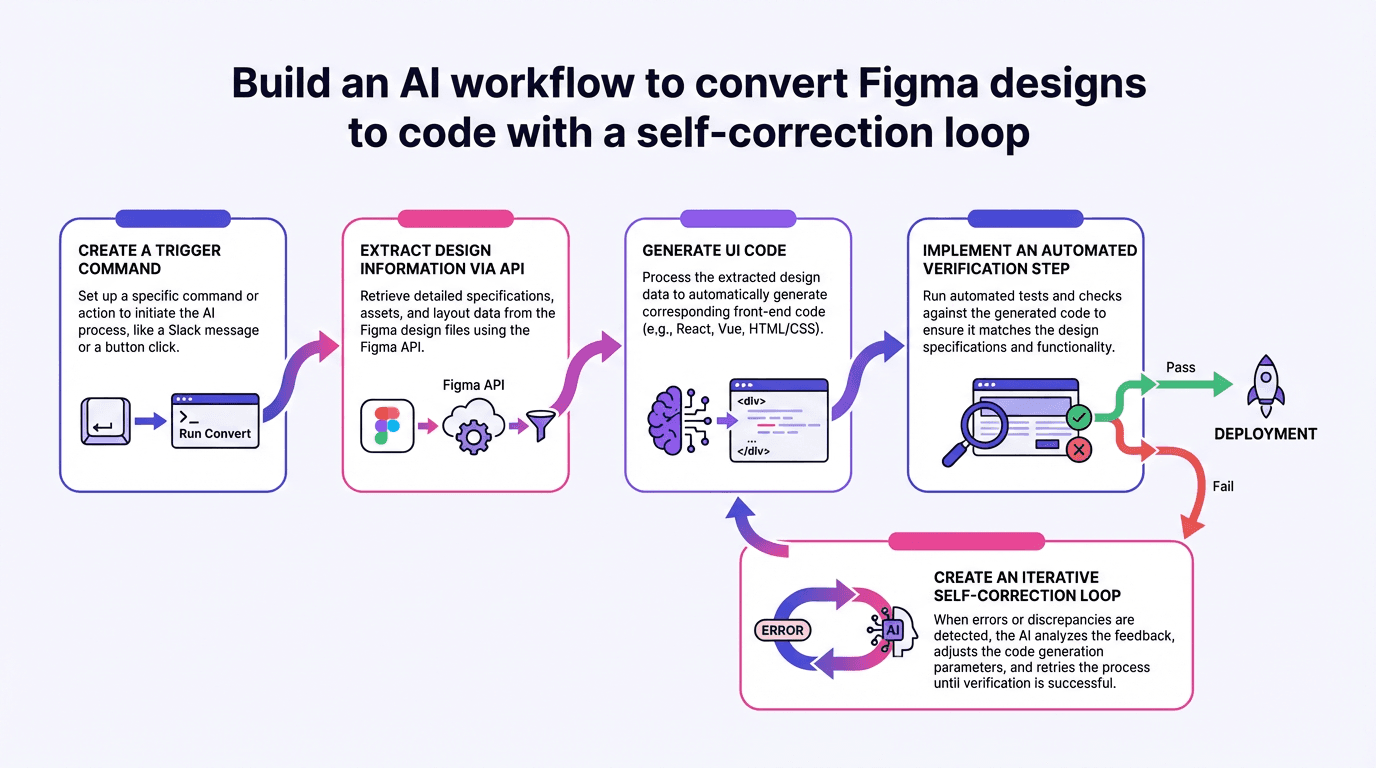
How Notion prototypes with Claude Code. In this video podcast, Notion designer Brian Lovin explains how he built a “prototype playground,” so designers can turn Figma ideas into working AI products. By prototyping directly in code against live models, the team experiences actual issues (latency, edge cases, failure modes) much earlier, so they’ll design what’s actually possible. Useful workflows for PMs too!
🧑💻 Worth learning
How to make Claude Code do your boring tasks on autopilot. Claude Code can now run recurring automations (like surfacing un-replied urgent emails or generating client briefings) using custom slash commands, Google Workspace MCP, and scheduled jobs (or the simpler runCLAUDErun Mac app). The tutorial walks through how AI educator Allie K. Miller wires Claude Code into Gmail, Calendar, Slack, Notion, and cron to send herself weekly inbox digests and daily meeting prep. For PMs, it’s a concrete playbook to set up always‑on workflows that quietly get stuff done for you
NotebookLM guide. Aakash Gupta argues that NotebookLM’s “sole-sourced” architecture, strong slide generation, and branded infographics make it uniquely good for turning messy inputs into usable product outputs. He walks through a useful research → learn → analyze → ship workflow
🔧 Products to try
Google Stitch generates complete app and web UI designs from text prompts using Gemini, then exports directly to Figma or as clean frontend code; recently added "Prototypes" to stitch screens into working flows. Free. PM use case: generate fast designs and functional prototypes at a nearly consumer-grade level
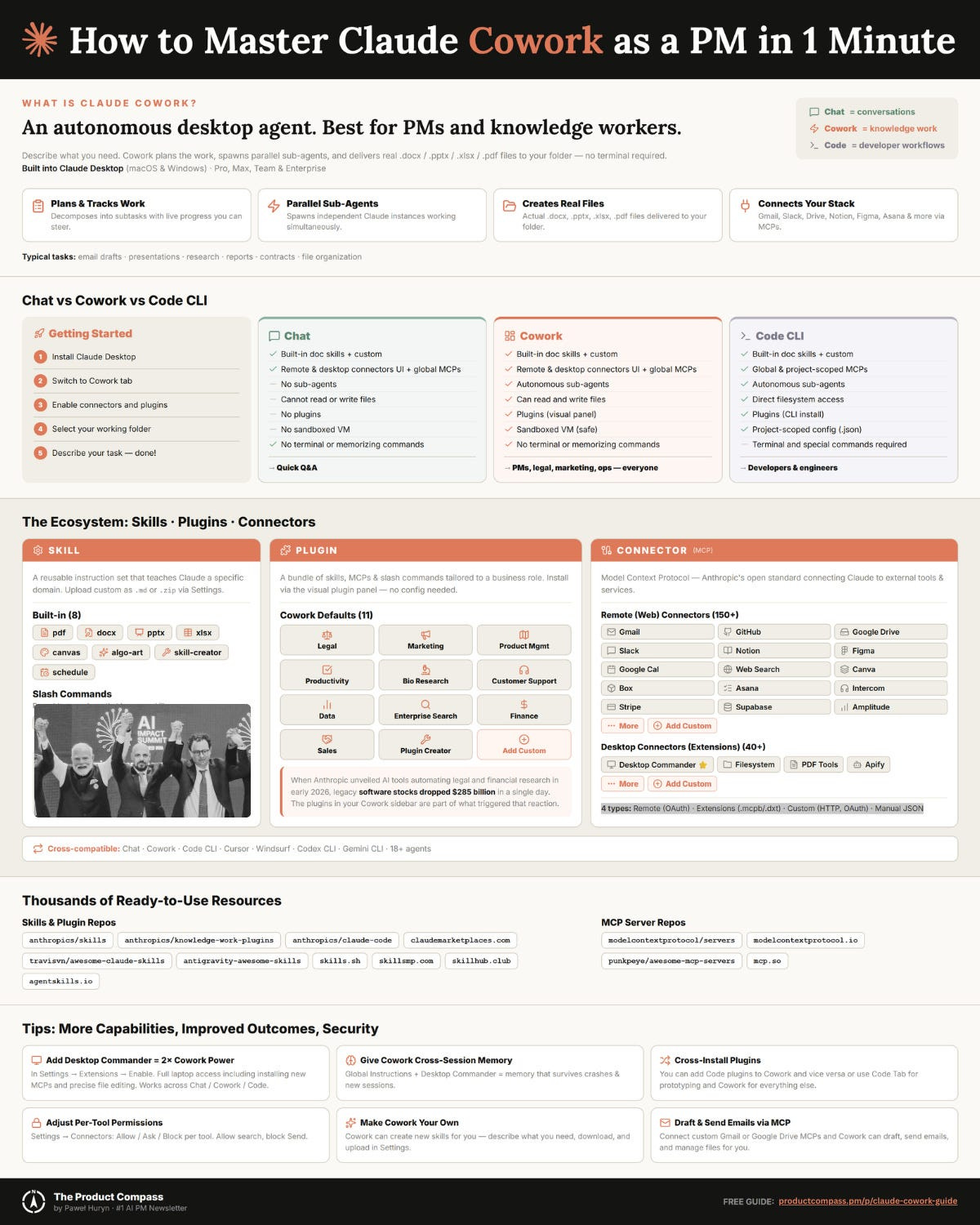
Claude Cowork now handles scheduled and recurring tasks automatically, turning it into an operational agent. Complement with this extensive guide on Claude Cowork for PMs. PM use cases: set it to run reports, weekly updates, check competitors’ sites, send meeting notes or updates on a schedule
That’s a wrap for this week!
Feel free to drop your comments/questions/feedback. Would love to hear what you’d like to see more about in WiP, so I can make it better for you.
Have a great weekend.